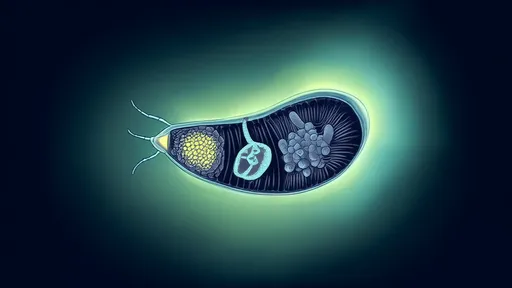
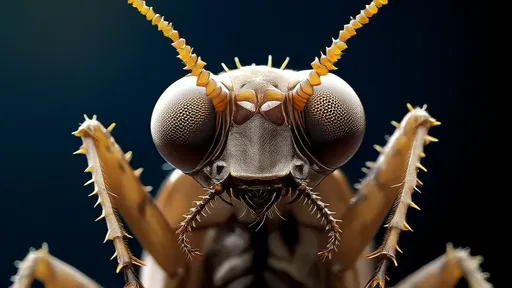
The natural world has long captivated human imagination with its dazzling displays of bioluminescence, and among these living lanterns, fireflies hold a special place in both scientific inquiry and cultural fascination. Their ability to produce light through purely biochemical means represents one of nature’s most elegant energy conversion systems. The process by which fireflies transform chemical energy into visible light—a phenomenon known as bioluminescence—is not only a marvel of evolutionary adaptation but also a subject of intense research with implications spanning medicine, environmental science, and bioengineering.
At the heart of a firefly’s glow lies a sophisticated biochemical reaction orchestrated within specialized cells called photocytes, located in the insect’s lower abdomen. The key players in this luminous performance are a class of enzymes known as luciferases and small organic molecules called luciferins. When a firefly decides to emit light, a series of exquisitely coordinated steps unfolds. The process begins when the firefly’s nervous system signals the photocytes to initiate the reaction. Adenosine triphosphate (ATP), the universal energy currency of cells, binds to luciferin in the presence of magnesium ions, creating luciferyl adenylate—an activated intermediate that represents chemical energy in a highly reactive form.
This activated complex then reacts with molecular oxygen, catalyzed by the luciferase enzyme. The oxidation of luciferyl adenylate produces an electronically excited state oxyluciferin—a molecule possessing excess energy that it cannot maintain in its ground state. As this energized molecule returns to its stable state, it releases the surplus energy not as heat, as might be expected in most chemical reactions, but directly as visible light. The entire process operates with remarkable efficiency, converting nearly 90-98% of the chemical energy into light, compared to incandescent bulbs which waste approximately 90% of energy as heat.
The color of the emitted light—typically ranging from yellow-green to green in most firefly species—is determined by subtle variations in the structure of the luciferase enzyme. Minor differences in amino acid sequences create slightly different microenvironments around the active site, which affects the energy levels of the excited state oxyluciferin and consequently the wavelength of light emitted. Some species can even produce light of different colors at different times, or simultaneously emit multiple colors, through sophisticated biochemical control mechanisms that continue to puzzle researchers.
What makes the firefly’s light production particularly extraordinary is its cold nature. Unlike artificial light sources that generate significant heat as a byproduct, firefly light is produced through a chemiluminescent process that generates virtually no thermal radiation. This cold light production represents the ultimate efficiency in energy conversion—a feat that human technology has yet to replicate at comparable scales. The firefly achieves this through precise molecular arrangements that favor radiative over non-radiative decay pathways, ensuring that excited electrons release their energy as photons rather than vibrational heat.
The regulation of this light production demonstrates another layer of biological sophistication. Fireflies don’t simply glow continuously; they produce precisely timed flashes that serve as communication signals for mating rituals and territorial displays. This control is managed through oxygen regulation at the cellular level. The photocytes are supplied with oxygen through tracheolar tubes, and the firefly can control the oxygen flow to these cells through neural stimulation. When oxygen is abundant, the light-producing reaction proceeds; when oxygen is restricted, the reaction ceases. This on-off mechanism allows for the characteristic flashing patterns that make summer evenings magical.
From an evolutionary perspective, the development of bioluminescence in fireflies represents a spectacular adaptation. The ability to produce light likely originated as a mechanism for detoxifying oxygen in early evolutionary history when atmospheric oxygen levels were rising. Over millions of years, this basic biochemical capacity was refined through natural selection to serve multiple purposes: attracting mates, warning predators of toxicity, and in some species, even luring prey. The fact that different firefly species have developed distinct flashing patterns demonstrates how this biochemical capability has been customized through evolution to serve specific ecological functions.
The implications of understanding firefly bioluminescence extend far beyond entomological curiosity. Researchers have harnessed the luciferase-luciferin system as an invaluable tool in molecular biology and medical research. The genes encoding firefly luciferase have been inserted into various organisms, including bacteria, plants, and mammals, creating biological reporters that glow when specific genes are activated. This technology enables scientists to track biological processes in real-time, monitor the effectiveness of drugs, and study disease progression in living organisms without invasive procedures. In environmental science, luciferase-based assays are used to detect ATP presence, serving as a sensitive method for measuring microbial contamination in water and food supplies.
Recent advancements have pushed the boundaries of how we might utilize this natural technology. Bioengineers are working to create self-illuminating plants that could serve as sustainable lighting sources. Medical researchers are developing luciferase-based systems for deep-tissue imaging and targeted cancer therapies. Materials scientists are inspired to create more efficient LED technologies based on the firefly’s lantern structure, which has optimized light extraction through specialized scales and cuticular structures that reduce internal reflection.
Yet despite our advanced understanding and technological applications, the firefly’s light production system continues to reveal new mysteries. Researchers are still uncovering how fireflies prevent self-damage from the reactive intermediates produced during the light reaction, how they manage to replenish their luciferin supplies so efficiently, and how some species achieve such extraordinary control over the timing and intensity of their flashes. Each discovery not only deepens our appreciation for this natural wonder but also provides new insights that could lead to breakthroughs in energy technology, medical imaging, and sustainable lighting solutions.
As we continue to study these remarkable insects, we are reminded that nature often holds solutions to problems that have long challenged human ingenuity. The firefly’s ability to convert chemical energy directly into light with near-perfect efficiency stands as a testament to the power of evolutionary innovation—a glowing example of how biological systems have mastered energy transformations that our technology is still striving to achieve. In understanding the firefly’s light, we not only unravel one of nature’s most beautiful mysteries but also illuminate new pathways toward a more efficient and sustainable future.
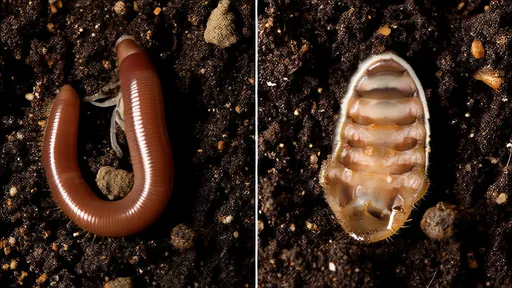
The humble earthworm, often overlooked as it wriggles through the soil, possesses one of nature's most fascinating biological capabilities: regeneration. The idea that an earthworm can be cut in half and both parts will regenerate into complete, living worms has permeated popular understanding for generations. This concept, while rooted in biological truth, is often oversimplified and misunderstood. The reality of earthworm regeneration is a complex dance of cellular biology, environmental factors, and species-specific capabilities that is far more nuanced than the common myth suggests.
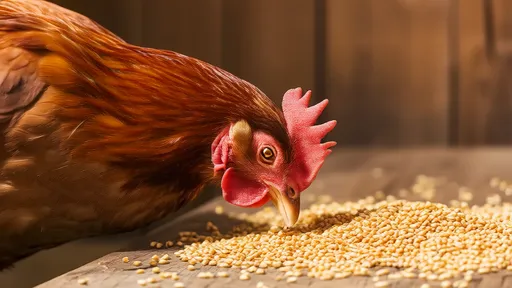
In the quiet hours of dawn, as the first light touches the treetops, a familiar sound echoes through the woods—the sharp, rhythmic tapping of a woodpecker drilling into tree bark. To the casual observer, it might seem like a simple search for insects, but this behavior represents one of nature’s most fascinating evolutionary puzzles: how do birds, entirely lacking teeth, process and digest hard, shell-encased foods? From finches cracking seeds to owls swallowing mice whole, birds have developed an array of sophisticated anatomical and physiological adaptations that allow them to thrive on diets that would challenge many toothed animals.
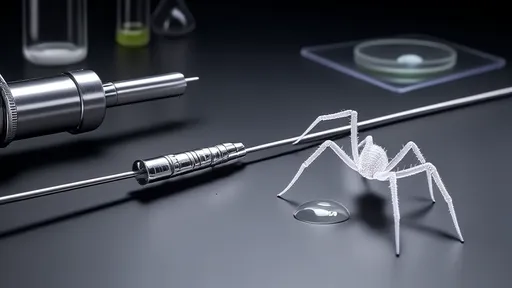
In the quiet corners of forests and the hidden eaves of barns, a master engineer works in silence, producing a material that has captivated scientists and engineers for decades. Spider silk, the unassuming product of one of nature's most prolific architects, possesses a combination of properties that modern science struggles to replicate. Its legendary strength, often poetically compared to being five times stronger than steel by weight, is merely the headline of a much deeper and more fascinating story of biological perfection.
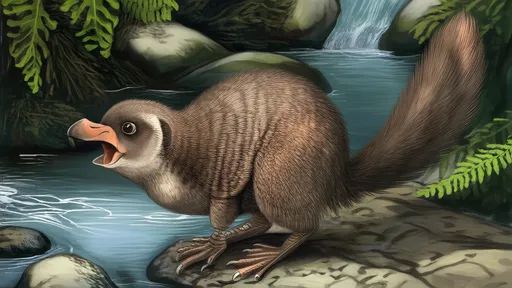
In the quiet waterways of eastern Australia, a creature that seems to defy categorization goes about its daily routine. The platypus, with its duck-like bill, beaver-like tail, and otter-like feet, has long fascinated scientists and laypeople alike. But perhaps its most astonishing feature is one that challenges the very definition of mammalian characteristics: it lays eggs. This peculiar trait, combined with its other unusual biological features, makes the platypus a living repository of evolutionary secrets, offering profound insights into the journey from reptilian ancestors to modern mammals.
The natural world has long captivated human imagination with its dazzling displays of bioluminescence, and among these living lanterns, fireflies hold a special place in both scientific inquiry and cultural fascination. Their ability to produce light through purely biochemical means represents one of nature’s most elegant energy conversion systems. The process by which fireflies transform chemical energy into visible light—a phenomenon known as bioluminescence—is not only a marvel of evolutionary adaptation but also a subject of intense research with implications spanning medicine, environmental science, and bioengineering.
In the eternal battle between humans and household pests, few creatures have demonstrated such remarkable resilience as the common cockroach. These ancient insects have scurried across the planet for millions of years, outliving dinosaurs and surviving mass extinctions. Their continued presence in our homes, restaurants, and cities speaks to an evolutionary success story that both fascinates and frustrates scientists and exterminators alike.
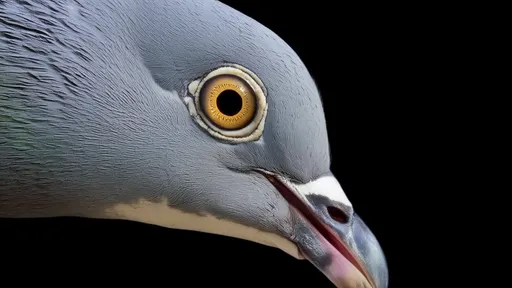
On overcast days when visual landmarks vanish beneath thick clouds, homing pigeons perform a navigational feat that has fascinated scientists for centuries. These remarkable birds can find their way home across hundreds of miles of unfamiliar terrain with uncanny precision. For decades, researchers suspected this ability was tied to Earth’s magnetic field, but the biological machinery behind this “built-in compass” remained one of nature’s most intriguing secrets.
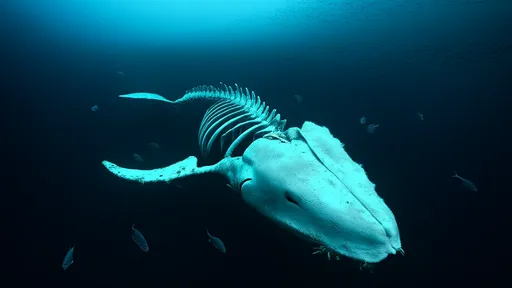
In the profound silence of the deep ocean, a remarkable event unfolds—one that begins with an ending. When a whale dies, its massive body descends through the water column, eventually coming to rest on the seafloor. This process, known as a "whale fall," initiates a complex and enduring ecological phenomenon that can sustain deep-sea life for decades, even centuries. Far from being a mere conclusion, the death of a whale marks the beginning of a vibrant, nutrient-rich oasis in an otherwise barren landscape.
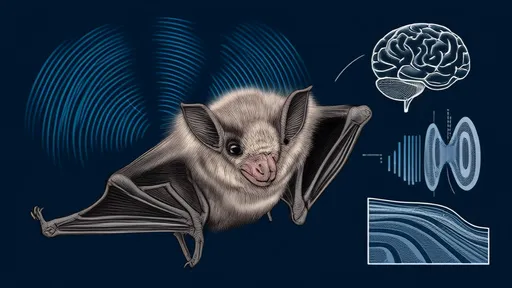
In the shadowy realms of night, where vision falters and darkness reigns, the bat has perfected a navigational art that defies human intuition. For centuries, these enigmatic creatures have sliced through the blackness with uncanny precision, hunting moths and avoiding obstacles with ease. Their secret lies not in superior eyesight, but in an auditory marvel known as echolocation—a biological sonar system that has captivated scientists and engineers alike. This natural innovation has become a cornerstone of biomimicry, inspiring technologies that range from medical imaging to autonomous vehicles. The story of how we have learned to listen to the bats is a testament to nature’s ingenuity and humanity’s relentless drive to innovate.
In the crushing darkness of the deep sea, where pressures defy human comprehension and light is but a distant memory, thrives one of Earth’s most enigmatic creatures: the octopus. With three hearts pumping blue, copper-rich blood and a distributed intelligence spread across nine brains, this alien-like being challenges our very understanding of consciousness, biology, and what it means to be intelligent. The mysteries held within its soft, boneless body may not only rewrite chapters of marine biology but could also force us to reconsider the possibilities of life—both on this planet and beyond.
The ancient wisdom of traditional medicine, passed down through generations of indigenous communities, now stands at a critical crossroads. As the world increasingly turns to natural and holistic approaches to health, the rich pharmacopeia of ethnic and tribal knowledge faces both unprecedented opportunity and existential threat. The protection of this traditional knowledge has become a matter of urgent global concern, particularly as it intersects with the rigorous demands of modern scientific validation.
The realm of biomaterials is witnessing a quiet revolution, one that draws inspiration not from synthetic laboratories but from the intricate designs of the natural world. For centuries, humanity has utilized animal-derived materials like leather, wool, and silk, valuing them for their durability, warmth, and beauty. However, the current wave of innovation moves far beyond these traditional applications. Scientists and engineers are now delving into the molecular and structural blueprints of various creatures, unlocking the secrets to materials with unprecedented properties. This is not merely about using what animals provide; it is about learning from millions of years of evolutionary engineering to create the next generation of advanced materials.
The ancient paradox of poison and medicine has fascinated healers and scientists for centuries. What makes a substance lethal in one context yet therapeutic in another? This question lies at the heart of toxin-based pharmaceutical research, a field that deliberately explores nature’s deadliest compounds as potential sources of life-saving treatments. From snake venoms to bacterial toxins, researchers are increasingly looking toward dangerous biological materials not as threats, but as reservoirs of molecular ingenuity that can be harnessed, repurposed, and transformed into novel medicines.
The marriage of biology and engineering has birthed one of the most transformative fields in modern medicine: biomedical devices inspired by nature's designs. This discipline, known as biomimetics or bio-inspired engineering, moves beyond simple imitation. It involves a deep study of biological structures, processes, and systems to create innovative solutions for complex medical challenges. From the intricate architecture of bone to the self-cleaning properties of lotus leaves, nature provides a masterclass in efficiency, resilience, and adaptability. Scientists and engineers are increasingly turning to these biological blueprints to develop the next generation of medical devices that are not only more effective but also more integrated with the human body.
In the vast and intricate tapestry of nature, animals have long served as a source of medicinal compounds, with their unique biochemical arsenals offering a treasure trove for pharmaceutical exploration. The pursuit of novel therapeutics from animal-derived natural compounds represents a fascinating intersection of biodiversity, biochemistry, and modern pharmacology. This field, while challenging, holds immense promise for addressing some of the most persistent human ailments, from chronic pain to antibiotic-resistant infections.
In the quiet of a forest, a small creature with a bushy tail scampers up an oak tree, its cheeks bulging with acorns. This everyday scene holds within it one of nature's most sophisticated ecological partnerships—the relationship between squirrels and the trees they help propagate. Far from being mere foragers, these agile mammals serve as unwitting foresters, participating in a complex system of seed dispersal that has shaped woodland ecosystems for millennia.
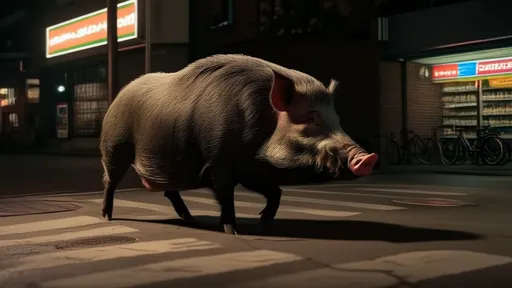
In the quiet hours before dawn, while most urban dwellers sleep, a surprising transformation occurs in cities across Europe and Asia. From Berlin to Tokyo, wild boars have begun venturing beyond their traditional woodland habitats, navigating subway tunnels, foraging in city parks, and even establishing residence in suburban neighborhoods. This remarkable adaptation represents one of the most fascinating cases of wildlife successfully exploiting human-modified environments.
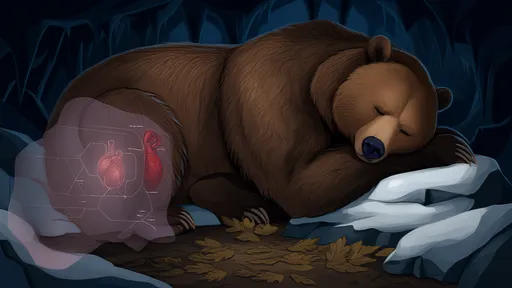
The profound stillness of a bear’s winter den belies a storm of physiological activity within. For centuries, the phenomenon of hibernation has captivated naturalists and scientists alike, not merely as a curious behavioral adaptation, but as a masterclass in metabolic regulation. The bear, a consummate hibernator, undergoes a suite of breathtaking physiological changes that allow it to endure months of fasting, immobility, and cold without succumbing to muscle wasting, bone loss, or metabolic disorders that would devastate a human. It is within this state of suspended animation that modern medicine is finding a treasure trove of insights, offering revolutionary clues for tackling some of humanity's most persistent health challenges.
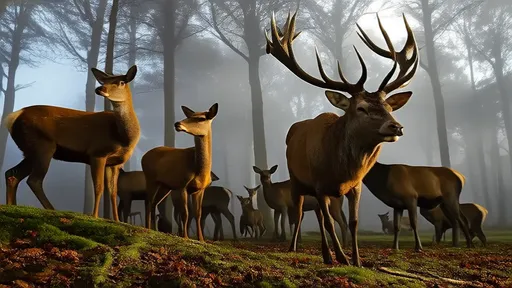
In the dappled light of forest clearings and across the sweeping expanse of tundra, a silent communication network operates with breathtaking efficiency. This is the deer alarm system, a sophisticated web of signals that binds a herd together in a state of perpetual, shared awareness. Far more than just a collection of individuals, a herd of deer functions as a distributed sensory organ, with dozens of eyes, ears, and noses continuously scanning for threats. The survival of each member depends on the instantaneous and accurate relay of information through a language of posture, sound, and scent that is both nuanced and powerfully direct.
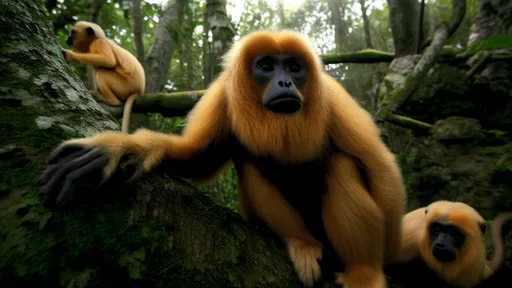
In the dense rainforests of West Africa, a remarkable scene unfolds as a community of chimpanzees gathers around a towering nut-bearing tree. An older female, her movements deliberate and practiced, selects a particularly hard-shelled nut, places it on a flat stone anvil, and with a well-worn hammer rock, cracks it open with precise force. Nearby, younger chimps observe intently, some attempting to mimic her technique with varying degrees of success. This transmission of nut-cracking skills from one generation to the next represents more than simple imitation—it is the living heartbeat of cultural tradition in our primate cousins.